Choosing the right medical equipment supplier is important for every hospital, clinic, nursing home, and healthcare center. Good medical equipment helps healthcare workers care for patients and manage their daily work. It also helps create a safe and comfortable environment for patients. Healthcare providers need equipment that meets their needs, fits their budget, and is suitable for daily use. They should also look for a supplier that offers useful product information and makes the buying process simple. In this guide, we will explain what to look for when choosing a medical equipment supplier in the USA.
Why Choosing the Right Medical Equipment Supplier Matters
A reliable supplier helps healthcare facilities find the products they need for daily patient care. From hospital beds to medical carts, every product has a specific purpose. Choosing suitable equipment can help staff work more easily and keep patients comfortable.
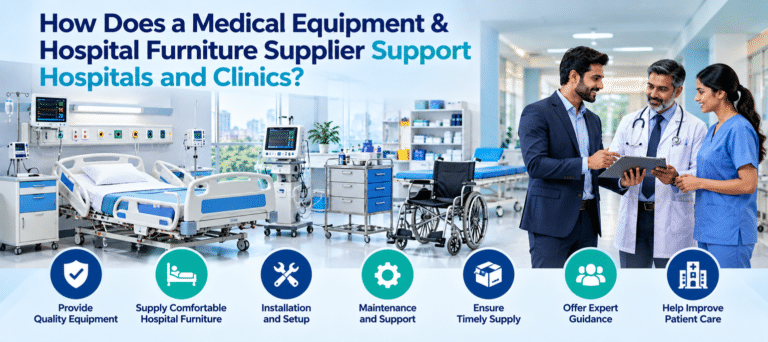
A trusted Medical Equipment and Hospital Furniture Supplier can help healthcare providers explore different products for their facilities. Before placing an order, buyers should check product details, materials, dimensions, and intended use. They should also understand the supplier’s delivery terms and return policy.
Healthcare providers should not choose equipment based on price alone. Product quality, safety features, ease of cleaning, and long-term use are also important. A careful buying decision can help a facility meet its needs without spending money on unsuitable products.
What Medical Equipment Do Hospitals and Clinics Need?
Hospitals and clinics use different types of medical equipment depending on the services they provide. A small clinic may need basic examination furniture, while a large hospital may require equipment for several departments.
Some common products used in healthcare facilities include:
- Hospital beds: Help provide a suitable place for patients to rest and receive care.
- Medical carts: Help staff move supplies and equipment between rooms.
- Medical chairs: Support patients during examinations, treatments, and other procedures.
- Medical mattresses: Provide support and comfort for patients.
- Stretchers and gurneys: Help move patients within healthcare facilities.
- IV stands: Hold IV bags during treatment when required.
- Bedside cabinets: Provide space for personal items and essential supplies.
Before buying these products, healthcare providers should consider the number of patients, available space, staff needs, and type of care provided. This makes it easier to select equipment that fits their facility.
How to Choose Hospital Beds for Your Healthcare Facility
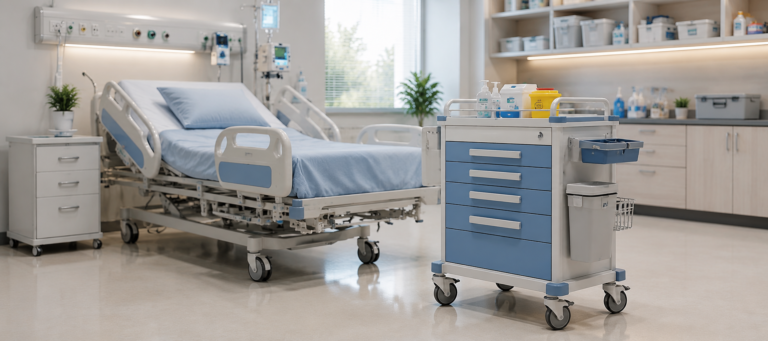
Hospital beds are an important part of patient care. The right bed can help patients rest comfortably and allow healthcare workers to provide care more easily. However, not every hospital bed is suitable for every patient or medical setting. When comparing hospital beds, buyers should check the bed’s size, weight capacity, adjustment options, side rails, wheels, and locking system. They should also consider how easy the bed is to clean and maintain.
Healthcare facilities looking to buy beds in larger quantities can explore options from a Hospital Beds Wholesale Supplier USA. Before making a bulk purchase, it is useful to compare product specifications, available models, order quantities, and delivery costs. Manual hospital beds may work well in facilities with basic requirements. Electric hospital beds offer powered adjustments that can make positioning easier for patients and caregivers. The best option depends on the facility’s needs and budget. Buyers should also confirm that the selected beds meet the applicable safety requirements and are appropriate for their intended use.
What Should You Check Before Buying Hospital Furniture?
Hospital furniture must support daily work while providing comfort and practical use. Healthcare providers should choose furniture that suits their available space and the needs of their patients and staff.
Here are some important things to consider before buying hospital furniture:
- Material: Choose materials suitable for the product’s intended use and cleaning needs.
- Comfort: Check whether the furniture provides proper support for patients.
- Durability: Look for products designed for the expected level of daily use.
- Easy cleaning: Smooth and accessible surfaces can make routine cleaning easier.
- Size and design: Make sure the furniture fits the room and allows staff to move safely.
- Maintenance: Understand how the product should be inspected, cleaned, and maintained.
- Budget: Compare the total cost, including delivery and any required accessories.
Healthcare facilities should also check the product warranty, availability of replacement parts, and supplier support where applicable. These details can help buyers understand the long-term cost of their purchase.
Why Medical Carts Are Important in Healthcare Facilities
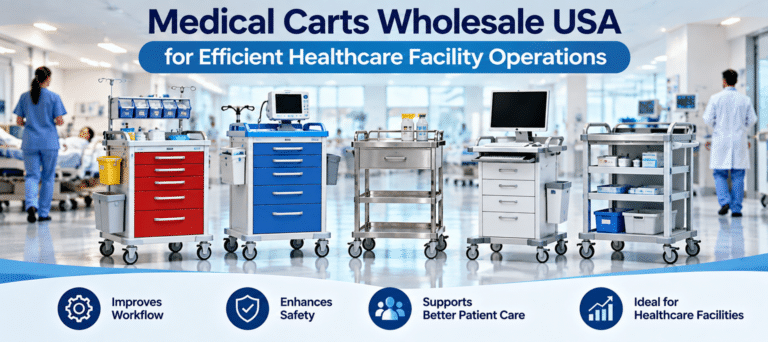
Medical carts help healthcare workers organize and transport supplies within hospitals, clinics, and other care settings. They can reduce the need to carry items by hand and help keep commonly used supplies within reach. Different medical carts serve different purposes. Some are designed for general storage, while others are made for specific tasks or medical environments. Buyers should select a cart based on its intended use rather than appearance alone.
A healthcare facility searching for a Medical Cart Distributor USA should compare cart sizes, storage options, materials, wheels, and locking features. Drawers and compartments can help organize supplies, while smooth surfaces can make cleaning easier.
It is also important to check the cart’s weight capacity and movement features. For example, carts used in busy hospital corridors should be easy to move and control. Lockable wheels may help keep the cart in place when needed. Before ordering multiple carts, healthcare providers should confirm product availability, delivery arrangements, and any assembly requirements. Choosing suitable carts can help staff keep supplies organized and support a smoother daily workflow.
How to Find a Reliable Medical Equipment Supplier in the USA
Finding a suitable supplier takes some research. Healthcare providers should compare suppliers carefully before making a purchase, especially when ordering equipment in large quantities.
Here are some practical steps to follow:
- Check the product range: Look for a supplier that offers the types of equipment your facility needs.
- Read product descriptions: Review dimensions, materials, features, and intended use.
- Compare prices: Consider product quality, shipping charges, and other costs instead of looking only at the listed price.
- Review delivery details: Ask about shipping times, order tracking, and delivery arrangements.
- Understand return policies: Check the conditions for returns, exchanges, and damaged products.
- Ask about support: Find out how to contact the supplier if you have questions about an order.
- Check relevant requirements: Confirm that products are suitable for your intended use and meet applicable requirements.
Healthcare providers should keep purchase records and confirm important order details before payment. For large orders, it may be helpful to request a quotation and review the product specifications with the relevant team. MBK Med is one option healthcare providers can explore when researching medical equipment and hospital furniture. Buyers can review the available products on the website and compare them with the needs of their facility before placing an order.
Frequently Asked Questions About Medical Equipment Suppliers
1. How do I choose the best medical equipment supplier in the USA?
Compare product quality, available equipment, prices, delivery terms, return policies, and customer support. Choose a supplier whose products match your facility’s needs.
2. What products should a hospital buy first?
The first purchases depend on the hospital’s services and patient needs. Common items may include hospital beds, mattresses, medical carts, examination furniture, and patient transport equipment.
3. Can healthcare facilities buy hospital beds in bulk?
Yes. Hospitals, nursing homes, and other healthcare facilities can contact suppliers about bulk orders. They should compare specifications, quantities, prices, and delivery costs before ordering.
4. What is the difference between manual and electric hospital beds?
Manual beds use hand-operated controls to adjust certain positions. Electric beds use powered controls, which can make adjustments easier for patients and caregivers.
5. Why are medical carts used in hospitals?
Medical carts help staff transport, store, and organize supplies. The right cart can make commonly used items easier to access during daily work.
6. What should I check before buying medical furniture?
Check dimensions, materials, comfort, cleaning needs, durability, weight capacity where relevant, warranty details, and the product’s intended use.
7. How can I compare medical equipment prices?
Compare the specifications of similar products and include shipping, accessories, maintenance needs, and other applicable costs. The lowest price may not always offer the best value.
8. Is online medical equipment shopping a good option?
Online shopping can make it easier to review products and compare specifications. Buyers should carefully check the supplier’s policies, product details, and delivery information before ordering.
9. What should I ask a supplier before placing a bulk order?
Ask about product availability, minimum order quantities, pricing, delivery schedules, shipping costs, warranty coverage, and return conditions.
10. Where can I find medical equipment and hospital furniture in the USA?
Healthcare providers can research suppliers such as MBK Med, review available products at mbkmed.com, and confirm that the selected equipment meets their facility’s requirements before purchasing.