
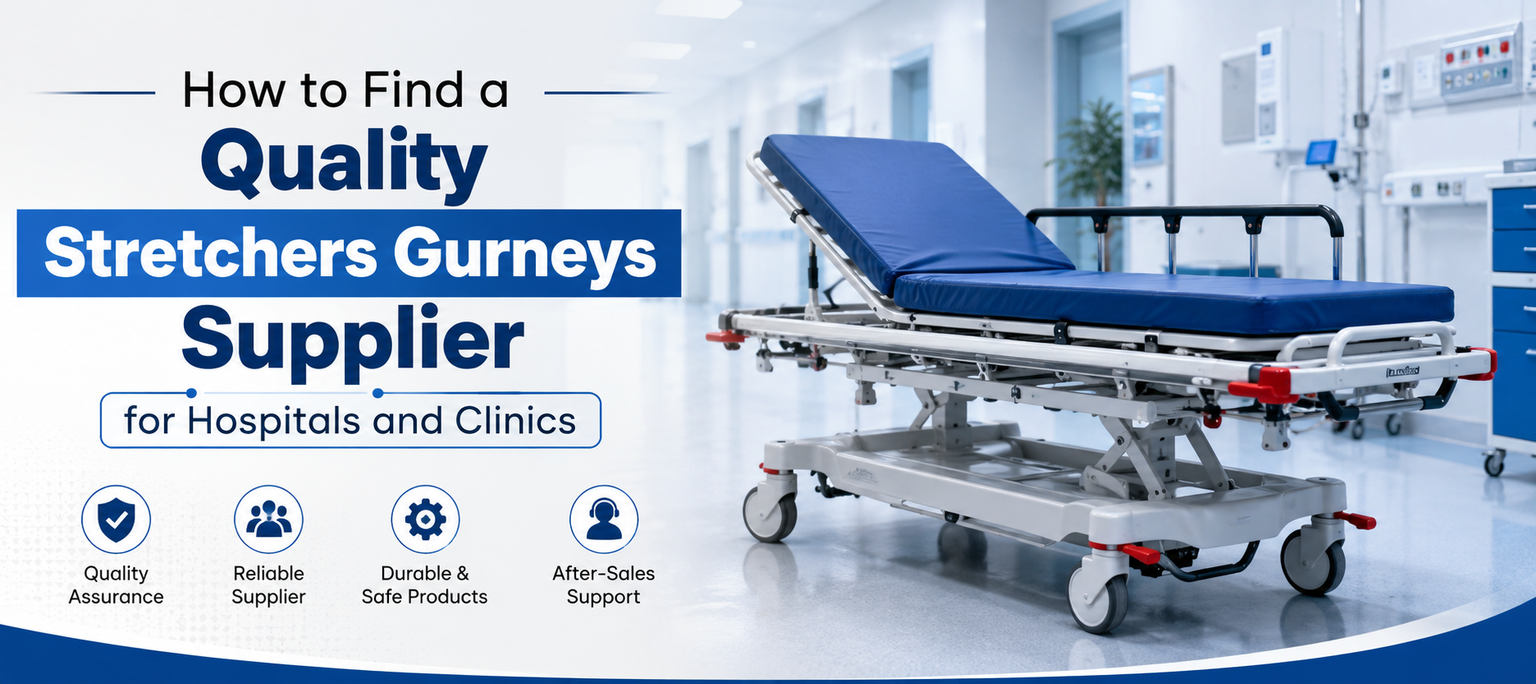
Every hospital and clinic really relies on dependable patient transport tools, and stretchers, gurneys they’re basically right at the heart of the day-to-day flow. From emergency areas to surgical rooms, these units move patients safely between sections, and yes, it’s often all happening under serious time pressure. If you pick the wrong equipment or choose the wrong supplier, you don’t just get delays, you can end up with safety problems, more maintenance bills, and annoyed staff. So, finding a Stretchers Gurneys Supplier you can actually trust shouldn’t feel like some quick checkout thing. It’s more like a strategic move. This guide is meant for administrators, procurement groups, and facility managers who need to weigh the main factors before putting pen to paper.
Why Supplier Selection Matters More Than Price
Sure, it’s easy to browse Stretchers Gurneys for sale and focus only on cost. But the lowest price usually doesn’t stay the “best value” once frames start wearing out, hydraulic systems fail earlier, and replacement parts get tricky to track down. A gurney that collapses unexpectedly, or locks in a way that doesn’t behave correctly that’s not only annoying, it becomes a liability. Hospitals need equipment that fits recognized safety and weight-capacity standards, survives nonstop use, and still has dependable after-sales help. In other words, the goal isn’t “buy a stretcher”, it’s invested in something that keeps working well for years.
Key Factors to Consider When Choosing a Supplier
- Manufacturing Quality and Materials- The frame substance, welding workmanship, and the wheel-locking system are what decide how long a gurney keeps running well. Stainless steel plus powder-coated frames tend to resist corrosion and they’re easier to sanitize, which is a big deal in infection-control settings. Before you commit, ask for material specifications, load-bearing capacity, and any relevant certifications.
- Range of Products and Customization- Honestly, the best hospital stretchers and gurneys hardly ever fit everyone exactly the same way. In Emergency Departments, people usually want fast-transport versions with shock-absorbing wheels, whereas surgical units might prefer gurneys with adjustable height, Trendelenburg positioning, or X-ray compatibility. A good supplier should show up with a variety of setups and also be open to tweaking upholstery, rail structures, or adding IV pole add-ons so it really matches how your facility runs on a daily basis.
- Compliance and Certifications- You should check that the manufacturer follows the right medical device regulations and quality systems like ISO 13485, or FDA registration where it’s relevant. And no, this isn’t just “paperwork for compliance” like some folks treat it. Certified production processes tend to bring steadier build quality, fewer defects, and less hassle later. Some organizations even prefer a supplier that also works as a Hospital Beds Supplier too, because handling patient-handling equipment with one vendor can make servicing, warranty claims, and bulk pricing feel less complicated.
- Warranty and After-Sales Support- Ask plainly, like don’t soften it too much: What does the warranty cover, and for how long? Is there a local service network for repairs, or would parts have to be shipped from far away, which means longer downtime. A supplier that markets Premium Stretchers Gurneys for Hospitals should back up that promise with a warranty and a support plan that actually matches what they say.
- Reputation and Client References- Before final approval, request references from other hospitals or clinics the supplier has supplied before. A company that’s actually dependable as a Medical Equipment Supplier USA should be comfortable sharing case studies, testimonials, or facility partnerships. Reviews and industry discussions can also uncover patterns like slow delivery or inconsistent quality checks that don’t stand out in a sales presentation.
Domestic Manufacturing: Why It’s Often Better
Getting equipment from a Medical Equipment Manufacturer USA can bring real advantages: faster shipping, smoother compliance with domestic regulations, and easier communication when something needs fixing. Domestic manufacturers are usually more responsive when it comes to replacement parts too, which helps keep downtime lower for essential equipment.
Questions to Ask Before You Buy
Before you sign any purchase agreement, procurement teams should push for clear answers on:
- Delivery timelines and installation support, if needed
- Spare part availability, plus expected lead times for replacements
- Training resources for staff on proper use and maintenance
- Return or exchange policies when defects show up
- Whether the supplier can keep up as your facility expands
Taking the time to get these points in writing protects your facility from unexpected costs later on, even the stuff you didn’t think you’d need to worry about. Many facilities also source other high-turnover equipment, like a Medical Carts Wholesale Supplier, from the same vendor to streamline procurement and reduce the number of vendor relationships they need to manage.
Making the Final Decision: Get the Best Stretchers Gurneys Supplier
In the end, picking a stretcher and gurney supplier is basically this careful trade-off between quality, compliance, service, and cost. A lot of facilities that treat it like a long-term deal, not a quick one-time purchase, seem to get better results, fewer equipment hiccups, smoother day-to-day staff routines, and honestly a lower total cost of ownership. Whether you’re refreshing the whole fleet or adding just a few specialized pieces, going through a known, reputable manufacturer usually means more reliability and that calmer peace of mind thing. If you’re a hospital or clinic that needs dependable, certified, and well-supported patient transport equipment, mbkmed.com is a good place to start comparing options that actually fit your facility’s needs, not just generic listings.
Frequently Asked Questions
- What is the average lifespan of a hospital stretcher or gurney?
With the right maintenance, a solid stretcher or gurney can last around 7–10 years, but heavy use patterns, and how good the materials are really matter, more than people expect. - Are stainless steel gurneys better than aluminum ones?
Honestly, stainless steel usually holds up better and resists corrosion more effectively, while aluminum is lighter, so it’s a lot easier to move around. That said, the best pick depends on what your department is doing day to day, like heavy transport vs lighter use, and even your cleaning routine. - Can gurneys be customized for specialized departments like radiology or surgery?
Yes. A good number of reputable suppliers allow variation in the design, including X ray compatible surfaces, adjustable positioning features, and specialized rail attachments, or add-ons. Sometimes they can match the workflow more closely, rather than a one-size setup. - How often should hospital stretchers be inspected for safety?
Most facilities do routine inspections every 3–6 months. And of course, they should do immediate checks if something feels off, like after any reported malfunction or unusual wear, even if it’s before the scheduled window. - Do suppliers offer training for staff on proper stretcher operation?
Usually yes, at least some form of training or instructional materials. Sometimes it’s built into the purchase price, or included in the service plan. It helps a lot with safe handling and fewer operational mistakes. - What certifications should I look for in a medical equipment manufacturer?
Try to find ISO 13485 certification, and when relevant FDA registration. Those credentials often suggest the manufacturer follows recognized quality and safety standards, even if you’re comparing multiple vendors at once. - Is it better to buy from a domestic manufacturer instead of importing?
Often, yes. Domestic sources can mean faster delivery, easier warranty handling, and smoother compliance with local regulations. That usually matters more than the lower starting price of imported options. - Can I purchase stretchers, gurneys, and hospital beds from the same supplier?
Yes, many suppliers cover the whole range of patient handling equipment so facilities can consolidate purchasing, plus simplify long term maintenance contracts too. It’s typically more convenient for procurement and scheduling as well.