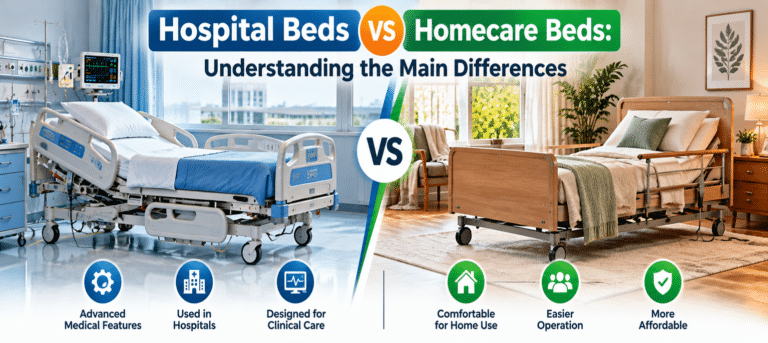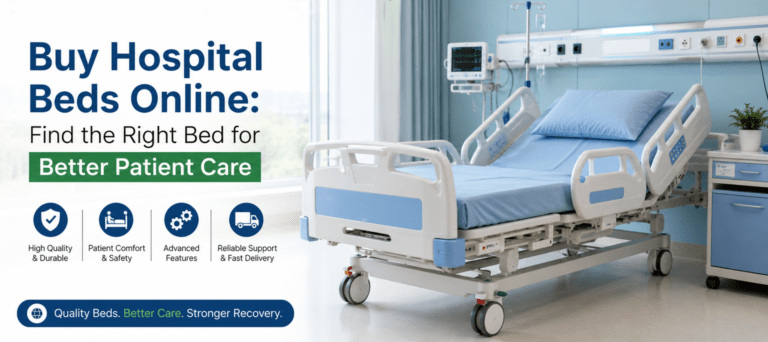
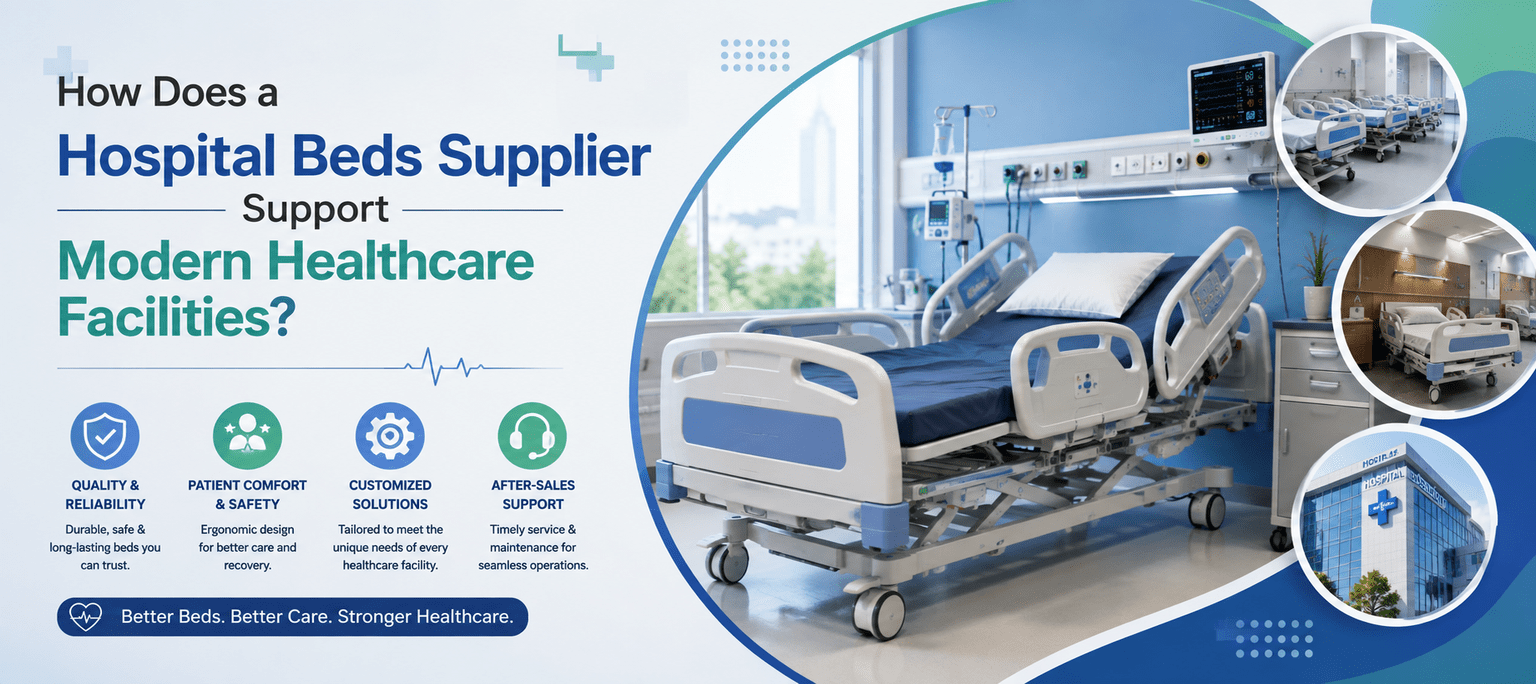
Modern healthcare facilities don’t just run on talented doctors and nurses, they depend on dependable equipment that helps keep patients safe, comfortable, and cared for 24*7. Among the most essential things in that mix is the hospital bed. A trusted Hospital Beds Supplier plays this kind of quiet but important role behind the scenes of every clinic, nursing home, and ward, making sure facilities get beds that are durable, functional, and actually patient-friendly. In this blog we’ll take a look at how a reliable supplier helps improve healthcare results, what kinds of beds are out there, and why picking the right partner really matters.
The Backbone of Patient Care, and why beds matter more than people think
A hospital bed isn’t only a place where someone lies down. It’s a medical device built to assist recovery, reduce trouble like bedsores, and make day to day caregiving easier for nursing teams. When facilities buy high-quality Medical Hospital Beds, they often see fewer patient handling injuries among staff, quicker recovery timelines, and better overall satisfaction. That’s why hospital administrators pay attention to who they choose as their equipment partner, because the right supplier doesn’t just “drop off” beds; they help solve operational problems that quietly affect care.
Electric vs Manual: matching the bed to the facility rhythm
One of the biggest choices healthcare providers face is deciding between electric and manual beds, and a well-informed supplier helps them land on the right fit based on cost , patient needs, and how staff work day to day. An Electric Hospital Bed Supplier usually offers beds with motorized height, backrest, and knee-rest adjustments. These controls are often handled by a remote or a bedside panel. These are a great match for:
- ICUs and post-surgical recovery units
- Patients with limited mobility who need repositioning more often
- Facilities trying to reduce physical strain on nursing staff
On the other hand, a Manual Hospital Bed Manufacturer offers beds that use hand cranks for adjustments. Yes , they demand more physical effort to operate but they stay popular because they are:
- More budget friendly for large scale procurement
- Simpler to maintain, with fewer mechanical or electrical parts
- Suitable for lower acuity settings where frequent adjustments aren’t required
A good supplier doesn’t treat it like a contest between “best” and “worse” they help facilities weigh the tradeoffs, and sometimes suggest a mixed bed lineup so each department is covered without overbuying.
Helping clinics and smaller facilities, not just large hospitals
Not every healthcare organization is a massive hospital with endless rooms. Clinics, diagnostic centers, and outpatient services still need solid bedding solutions, just in smaller numbers. A Hospital Bed for Clinics is often more compact, easier to store, and made for shorter patient stays, think observation setups, minor procedure rooms, or recovery beds for day care surgeries. Suppliers that focus on this group understand that clinics usually have tighter budgets and less storage space than hospitals. So they provide streamlined options that don’t cut comfort or safety, letting smaller facilities offer hospital-level care without hospital-level spending. That flexibility is a big reason clinics stick with established suppliers instead of buying equipment in random pieces.
Equipping larger hospitals for real scale and complexity
Then there’s the other side: a Hospital Bed for Hospitals has to handle heavier demands. Big hospitals manage hundreds of beds across multiple departments: emergency, surgical, maternity, pediatric, geriatric, and more, each of which can have its own patient needs and workflow quirks. A capable supplier sort of backs up this complexity by providing, like,
- bulk procurement options with steady quality across all units
- some level of customization for specialized teams, like bariatric beds, pediatric cots, or birthing beds
- after sales help, maintenance, spare parts, plus staff training
- safety and regulatory compliance, the kind you expect from hospital-grade equipment
That whole big scale dependability is what separates a real medical equipment partner from being only a basic vendor. Hospitals need a supplier who can adapt with them as patient volumes climb or when new departments roll out. And sure, beds matter a lot, but many facilities also expect the same partner for a Medical Chairs Supplier, because seating for patients, visitors, and recovery areas is tied to day-to-day workflow just as much as the bed itself.
Beyond beds: a one stop medical equipment partner model
Most healthcare facilities don’t buy only one category of equipment. Alongside bed procurement, many hospitals and clinics also source seating, mattresses, and other patient care essentials from the same trusted source, mainly to simplify logistics and keep quality consistent. A reliable Medical Mattresses Supplier helps ensure beds are paired with pressure relief and hygienic mattress choices, which matters for preventing bedsores and supporting longer-term comfort especially in ICU and long-term care. When a single Medical Equipment Supplier USA wide (or across a regional network) supplies beds, mattresses, and chairs, it streamlines purchasing, cuts down on coordination headaches, and keeps maintenance and warranty processes more organized. It also makes training easier since staff work with equipment from the same familiar source, instead of juggling multiple brands and setups.
Get In Touch with a Hospital Beds Supplier
A dependable hospital bed supplier does more than just deliver the equipment, they turn into a steady long-term partner for patient care quality, staff safety, and day to day operational efficiency. Like, from electric beds for intensive care, to manual options for the regular wards, and from small space solutions for clinics to bigger scale procurement for hospitals, the right supplier will “fit” the facility’s own needs, not some generic template. And if that same provider also carries complementary products, such as a Medical Chairs Supplier for waiting areas, recovery rooms, and the like, then the whole purchasing process feels more aligned, and honestly a lot faster to manage. For healthcare facilities that need a reliable, experienced medical equipment partner, mbkmed.com offers a wide selection of hospital beds, mattresses, and related equipment. It’s built to serve clinics and hospitals with the kind of flexibility they usually need when patients, departments, and workflows are constantly changing.
Frequently Asked Questions (FAQs)
- What is the difference between an electric and manual hospital bed?
Electric beds use motorized controls so the bed height, backrest, and leg placement can be changed, which supports patients, and staff in a more streamlined way. Manual beds depend on hand cranks, and usually they cost less, but they also ask for more physical effort when adjustments are needed - Which type of hospital bed is best for home care or clinics?
For clinics and smaller care arrangements, compact manual or semi electric models are commonly chosen. They’re typically lighter on the budget, easier to store, and they tend to require less fussy upkeep too - How do I choose the right hospital bed supplier?
Go with a supplier that has a big product catalog, proper certifications, and the ability to handle custom setups. Also look for dependable after sales support, plus a real track record with facilities like yours, not just polished claims floating around online - Can hospital beds be customized for specific departments like ICU or pediatrics?
Yes, solid suppliers often offer tailored options, for example bariatric beds, pediatric cots, and ICU beds that can include monitoring integration. The goal is to match specialized care needs, so staff don’t have to improvise all the time, right - Why is mattress selection important alongside bed procurement?
Because the right mattress can help reduce pressure sores, and it improves patient comfort as well, especially for people who are immobile or staying for longer periods. So mattress selection isn’t some “later” idea, it’s kind of a partner purchase - Do suppliers offer maintenance and repair services after purchase?
Many established suppliers do provide after sales support, like spare parts, repair services, and even staff training, so the beds stay functional safely and reliably over time, not only right after delivery - Are manual hospital beds still relevant in modern healthcare?
Honestly yes. Manual beds still work well in lower acuity settings, and they remain a go to choice when teams want cost control. A lot of groups pick them because they keep delivering steady results without the electrical complexity - Can one supplier provide beds, mattresses, and chairs together?
Many suppliers can, especially those that act as full service medical equipment providers. You can source beds, mattresses, and seating in one place, which makes procurement less messy and helps keep compatibility strong with consistent quality across the equipment mix.