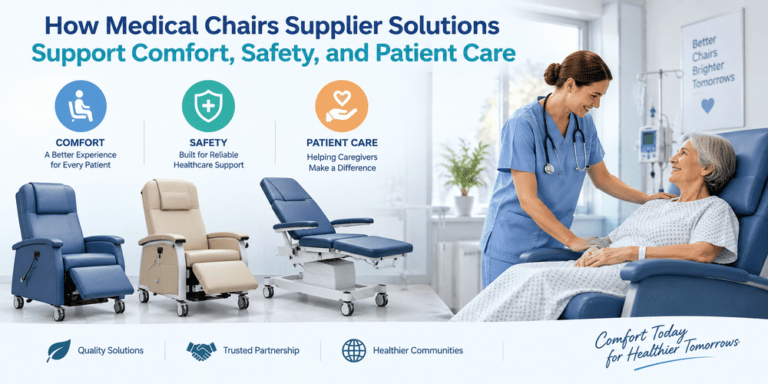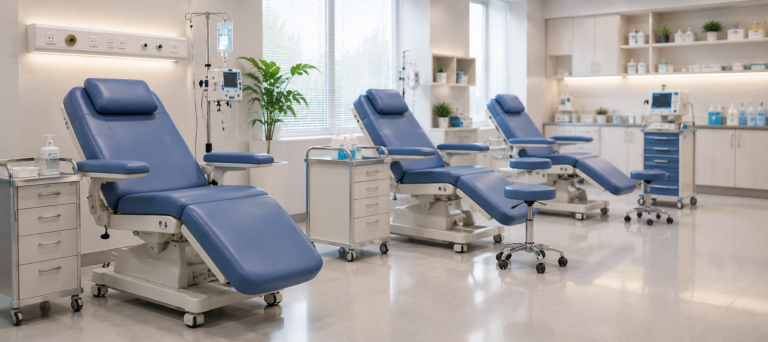
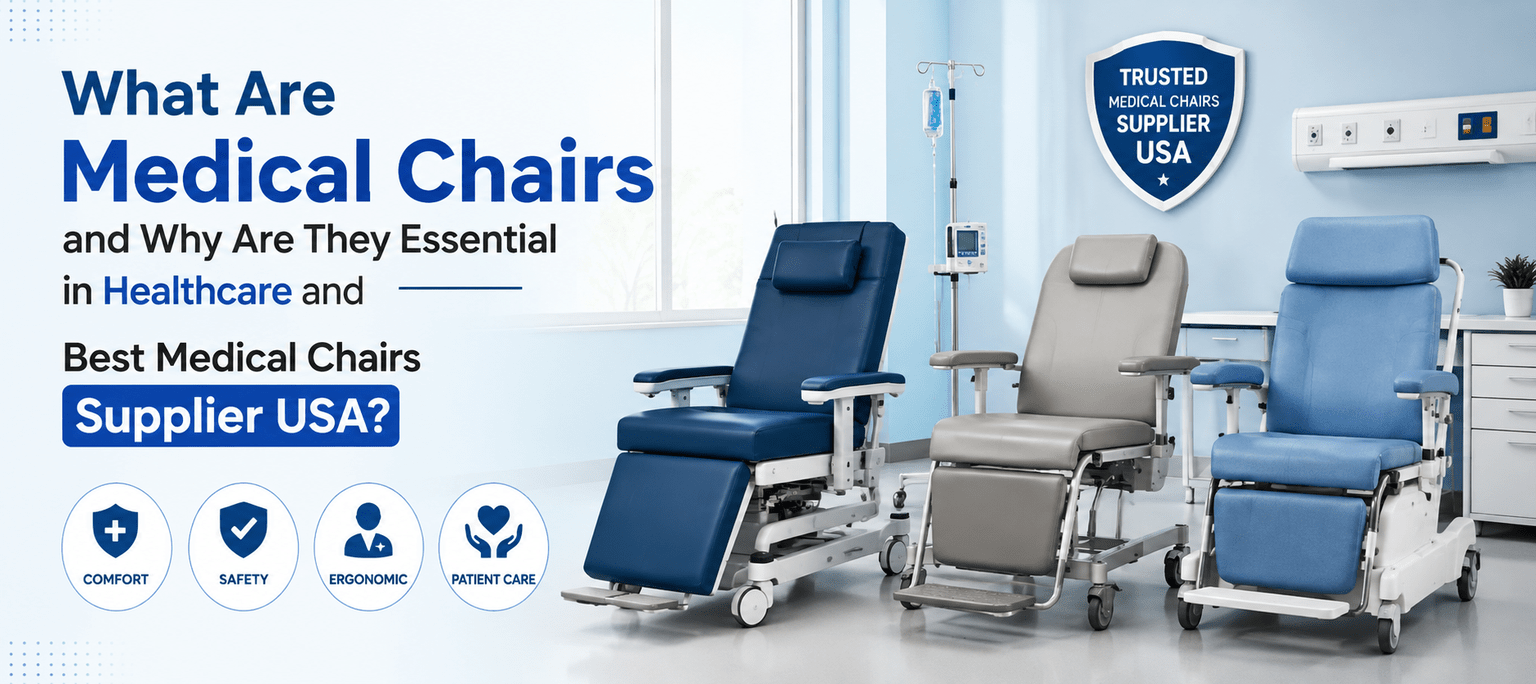
Walk into any clinic, hospital, or diagnostic center you’ll probably spot one piece of equipment that quietly does a lot of heavy lifting: the medical chair. Kind of a “small” thing, but in real life it supports staff and patients in ways that matter. Whether it’s a phlebotomy chair for blood draws, an exam chair for a routine check, or a specialty chair for dental work or dialysis procedures, those chairs are far beyond basic seating. They’re engineered tools that help protect patient safety, support clinical precision, and yeah, make life easier for the healthcare team. As facilities update their equipment lists, many people end up working with a trusted Best Medical Chairs Supplier to get the right blend of chairs, plus related essentials some teams even decide to Buy Medical Carts Online along with their chair orders so one room gets set up in a smoother, faster way. In this post we’ll kind of unpack what medical chairs really are, the main types you’ll see, and why they’ve turned into a must-have in modern care settings.
What Exactly Is a Medical Chair?
A medical chair is purpose-built furniture, made to support patients during assessments, treatments, procedures, or recovery. Unlike the usual office chair, or that slightly uncomfortable waiting-room style, medical chairs are built around clinical needs: adjustable height, reclining backs, armrests that swing away so transfer is easier, and surfaces made from materials that can be disinfected over and over without falling apart. You’ll see them in almost every part of healthcare, like outpatient clinics, dental practices, blood donation centers, dialysis units, ophthalmology rooms, and general hospital wards. Each specialty has its own medical chair style, but the shared goal is basically the same balancing patient comfort with real clinical functionality, not just looks.
Types of Medical Chairs You’ll Find in Healthcare Settings
- Manual Medical Chairs
These are adjusted using hand cranks or manual levers, so height, recline angle, and leg rest position can be set. They’re a dependable, budget-friendly choice, and a lot of facilities still rely on a trusted Manual Medical Chairs Manufacturer for sturdy models that handle daily use without needing power. - Electric Medical Chairs
Electric chairs use motorized controls, with adjustments done at the push of a button. They’re getting more popular in busy clinics and hospitals because they cut down staff strain and make repositioning faster. A knowledgeable Electric Medical Chairs Supplier can guide facilities toward the right weight capacity, battery backup, and the control panel layout that fits their typical workflow, not just generic specs. - Specialty Chairs
This group covers phlebotomy chairs, dental chairs, gynecological exam chairs, dialysis recliners, plus treatment chairs meant for infusion therapy. Each model is built around the procedure it actually supports, so the whole setup feels pretty natural, and overall consistency stays there for that kind of care.
Why Are Medical Chairs So Essential?
- Patient Safety and Comfort
A solid chair helps cut down the chance of slips or falls, pressure injuries, and that general discomfort that shows up faster when someone is left sitting too long. This matters a lot for short procedures too, but especially for care that can stretch out for hours (dialysis and infusion are usually the examples). With padded upholstery, adjustable positioning, and secure armrests all working together, the patient experience ends up safer, and more predictable. - Improved Clinical Efficiency
When clinicians can reposition a chair quickly, they can line up the patient for exams, injections, or other procedures without awkward body angles or having to redo things again and again. It saves time and also lowers strain on staff who are doing similar movements repeatedly during the shift. - Infection Control
Medical chairs are commonly made with antimicrobial, easy-to-clean coverings. That supports strict infection-control routines, which is not “nice to have” in a clinical environment, it’s the everyday baseline everyone expects. - Accessibility for Diverse Patients
Height-adjustable chairs, including electric versions, help facilities accommodate older patients, people with mobility limitations, bariatric patients, and children. So instead of forcing someone to “make do” with equipment that was not intended for their needs, positioning becomes safer, calmer, and more comfortable. - Staff Ergonomics
Motorized height adjustment reduces the physical toll on nurses and technicians. Without it, staff would be bending, reaching, or straining over and over throughout the day, sometimes in the same stance, again and again.
Choosing the Right Medical Chairs for Your Facility
Picking medical chairs isn’t “one size fits all” and it shouldn’t be treated like it. Most facilities need to weigh a few things, sort of step-by-step:
- Purpose: Are these chairs for quick checkups, extended treatments, or more specific specialty work?
- Power needs: Manual chairs are simpler and often less expensive, while electric chairs tend to move faster, with less friction for staff.
- Weight capacity: This can become a key factor for bariatric care, especially.
- Cleaning requirements: Look for smooth, non-porous upholstery that handles routine disinfection well.
Meanwhile, those sourcing Medical Chairs for Hospitals usually want higher weight capacities, more robust frames, and options suited to longer patient stays or higher patient turnover, so the chairs keep performing day after day without drama.
Why sourcing matters: Manufacturer vs. Supplier
Not all medical chairs are really the same, and yeah where you source them from makes a difference, durability compliance, and even the way you get support after purchase. If you work with a reputable Medical Equipment Manufacturer USA, you’re more likely to get chairs built around recognized safety and quality standards, plus materials that are actually tested for clinical settings. Then again, partnering with a well-established Medical Equipment Supplier USA can be a different angle. They often get a larger catalog, like chairs, carts, beds, and extra accessories all in one place, with delivery that can be quicker too and sometimes bundled pricing for big orders. Some healthcare administrators also like to simplify procurement by using one source for multiple equipment types. Like, a facility setting up several exam rooms might decide to Buy Hospital Beds Online at the same time they order chairs and carts, so there’s less back-and-forth and the quality stays fairly consistent across everything.
Final thoughts: Best Medical Chairs Supplier
Medical chairs might not have the same spotlight as diagnostic machines or surgical tools, but they’re more like the daily backbone of patient care. Whether it’s manual chairs with steady no nonsense adjustment or electric models that speed up workflows, the right chair helps with safety, comfort, and efficiency for patients and staff both, and you can contact Best Medical Chairs Supplier. As clinics plan their equipment upgrades, working with an experienced partner tends to make the whole thing smoother, not stressful. mbkmed.com has a broad range of manual and electric medical chairs, plus hospital beds and medical carts, so clinics and hospitals can outfit their spaces with equipment that’s reliable, compliant, and coming from one trusted place.
Frequently Asked Questions
- What is the difference between a manual and an electric medical chair?
Manual chairs are adjusted by hand using cranks, or levers. Electric chairs use motorized controls, for faster positioning that feels less effort. - How often should medical chairs be replaced?
Most medical chairs last around 7–10 years, depending on how often they’re used, how the upholstery holds up, and the overall mechanical condition. Routine inspections are usually the real key for deciding when replacement is needed. - Are medical chairs covered under healthcare equipment warranties?
Yes. Most reputable manufacturers provide warranties that typically run from 1 to 5 years, often covering frame integrity, motors (for electric models), and upholstery defects. - Can medical chairs be customized for bariatric patients?
Many suppliers carry heavy duty options with reinforced frames and wider seats designed specifically for bariatric care, supporting higher weight capacities safely. - What upholstery material is best for infection control?
Antimicrobial seamless vinyl or polyurethane upholstery is often the go to choice, since it resists tearing, doesn’t soak up fluids, and can be wiped down with common disinfectants. - Do clinics need electric chairs, or are manual chairs sufficient?
It depends on patient volume and what procedures happen most. Higher traffic clinics with frequent repositioning often get real benefits from electric chairs, while lower volume settings may find manual chairs are totally sufficient. - How do I choose a reliable medical chair supplier?
Try to look for experience in the industry, compliance certifications, a strong warranty, and feedback from other healthcare facilities. - Can I purchase medical chairs along with other hospital equipment from the same vendor?
Yes, a lot of suppliers offer a full catalog of chairs, beds, carts so facilities can bundle purchases for easier coordination and better pricing.